June 2026 - August 2026
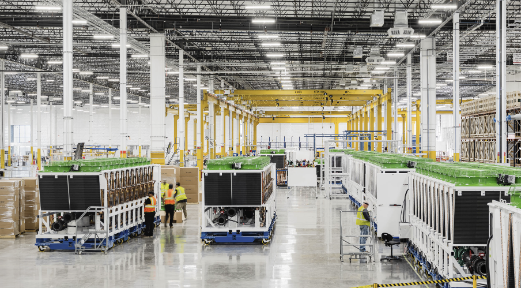
The objective involved developing a deep understanding of the manufacturing process and helping out.
My core responsibilities involved conducting time studies for all the manufacturing operations and streamlining the engineering and manufacturing documentation.
PresentationThe first of my main projects was to conduct time studies on the more than 460 operations across the thirteen stations in the main production line and eleven supporting subassembly stations. I analyzed a variety of manufacturing processes, including assembly, brazing, welding, wiring, and testing operations, which further developed my understanding of the processes and components necessary for the full construction of each chiller. Throughout the process of capturing the times elapsed for each step, I also identified and documented discrepancies between shop floor practices and existing work instructions. Once all the times for a station had been captured, I evaluated the current cycle times against takt time requirements to confirm whether the existing operator count could support production targets.
The primary outcome for this was to better understand process timing and the steps involved in the manufacturing of the XNChiller. Another purpose of recording these times was to provide an estimate of the time required for each operation to aid in the development of a second manufacturing line.

Once I had developed my knowledge of the manufacturing line to a working level, I began working on my second project of this internship. The goal of this next project was to confirm the part usage on the Manufacturing Bill of Materials (MBOM) with the physical production line configurations. Throughout this process, I aided in validation of more than 100 assemblies, components, and hardware instances across engineering and manufacturing documentation. After this validation, these instances had to be aligned with the Engineering Bill of Materials (EBOM) as well, ensuring that there were limited discrepancies between these documents. Many of the instances required identifying correct parent-child relationships within the EBOM structure and updating the MBOM records accordingly. With the MBOM aligned with the manufacturing line, I investigated root causes of BOM inconsistencies with an emphasis on fasteners and other high-volume hardware components to improve MBOM and EBOM accuracy. This improved EBOM and MBOM alignment ensured the correct inventory is consumed and the appropriate costs are assigned.
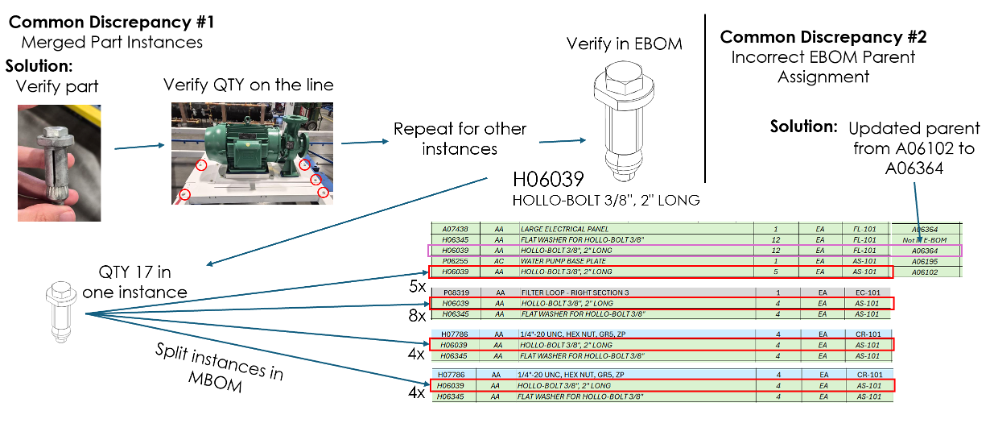
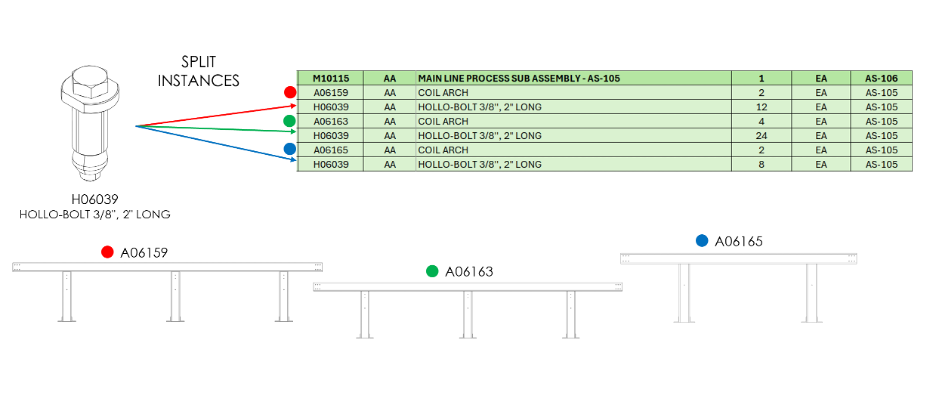
With the MBOM mostly aligned with the production line, I reorganized the MBOM structures into a logical sequence that mirrored manufacturing and assembly workflows. This means that I split component instances and reassigned fasteners to their specific points of use, improving traceability and assembly clarity. These changes enhanced BOM readability and maintainability for manufacturing, engineering, and production support teams which enables more efficient execution of assembly processes and future engineering changes.